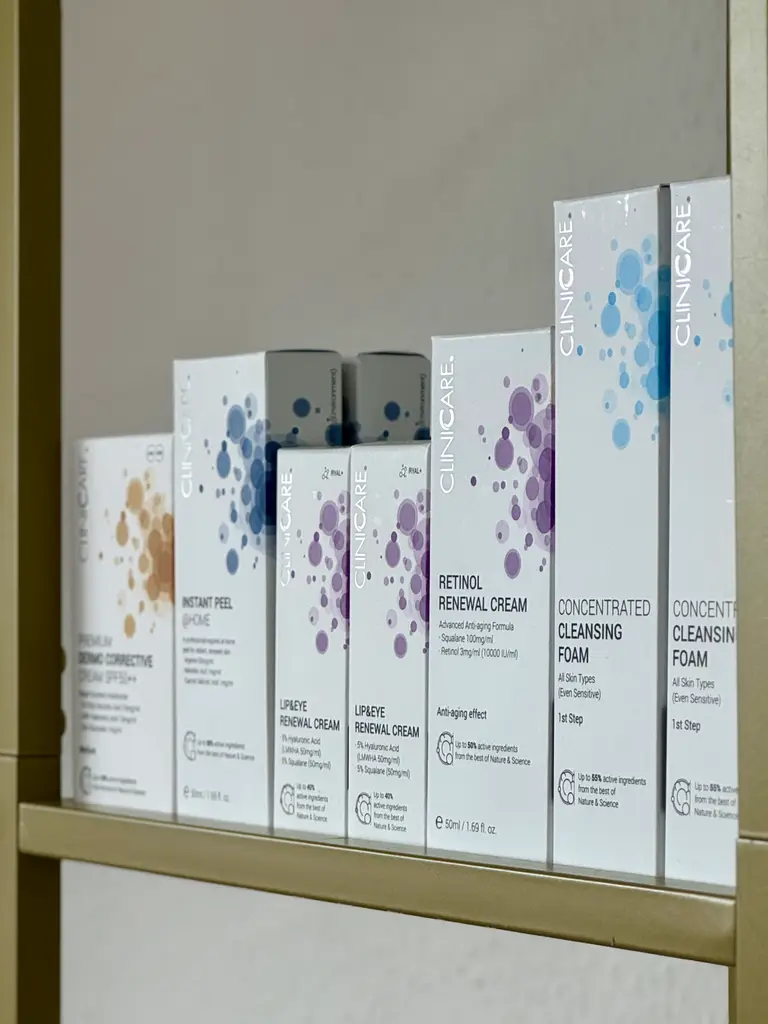
A good at-home routine should leave your skin comfortable, not tight, stinging or constantly chasing the next product. The best beauty treatments to do at home are usually the simple, repeatable ones: protecting your skin barrier, using ingredients thoughtfully and giving results time to develop. They can make a meaningful difference to brightness, hydration and texture, but they are not a replacement for tailored treatment when a concern is persistent or more complex.
9 beauty treatments to do at home for healthier-looking skin
1. Begin with a calm, thorough cleanse
Cleansing is not the most glamorous part of a routine, yet it sets the tone for everything that follows. In the evening, use a gentle cleanser to remove make-up, sunscreen, oil and daily pollution without leaving your skin squeaky clean. That tight feeling is often a sign that the skin barrier has been stripped rather than properly cleansed.
If you wear heavier make-up or water-resistant sunscreen, a first cleanse with an oil or balm cleanser can be useful, followed by a gentle cream or gel cleanser. In the morning, many people only need a light cleanse or a rinse, particularly if their skin feels dry or sensitive. Your skin type, the season and the products you use all affect what is right for you.
2. Use a hydrating mask when skin feels depleted
A hydrating mask is one of the easiest ways to give dull, thirsty skin a more comfortable, refreshed appearance before an event or after a busy week. Look for humectant ingredients such as hyaluronic acid and glycerin, alongside soothing ingredients that support the skin barrier.
There is no need to use a mask every day. Once or twice a week is plenty for most people, and a well-formulated moisturiser can offer many of the same benefits. If your skin is prone to redness, choose fragrance-free products where possible and patch test anything new, especially if you have reacted to skincare before.
3. Exfoliate gently and less often than you think
Gentle exfoliation can improve the look of rough texture and surface dullness by helping shed dead skin cells. However, over-exfoliation is one of the most common reasons skin becomes sore, flaky, shiny or unexpectedly spotty.
For many people, a mild chemical exfoliant once a week is a sensible starting point. Products containing AHAs can suit dry or sun-damaged skin concerns, while BHAs may be helpful for congestion and oiliness. The right choice depends on your skin, and more is not better. Avoid using exfoliating acids on the same evening as other potentially irritating products if your skin is not already used to them.
Scrubs with rough particles can be too abrasive, particularly on sensitive skin or active breakouts. If you prefer a physical exfoliant, use very light pressure and do not scrub at the skin.
4. Give yourself a facial massage - lightly
A few minutes of facial massage can feel relaxing and may temporarily reduce the look of morning puffiness by encouraging fluid movement. Use clean hands and enough moisturiser or facial oil to avoid dragging the skin. Work with gentle upward and outward motions, avoiding pressure around the delicate eye area.
The benefit here is largely comfort, relaxation and a short-lived freshened appearance. It will not reshape the face, erase deeper lines or replace professional treatments for laxity. That does not make it pointless. Consistent, gentle care is often more valuable than dramatic claims.
5. Make daily SPF the treatment that does the quiet work
If there is one at-home step worth taking seriously, it is daily broad-spectrum sun protection. UV exposure contributes to uneven pigmentation, premature visible ageing and loss of collagen over time, even on overcast days. Apply sunscreen as the final step of your morning skincare routine, and reapply when you are spending extended time outdoors.
Choose a formula you genuinely enjoy using. A sunscreen that suits your skin tone, texture preferences and make-up routine is far more likely to become a habit. Those managing pigmentation or having professional skin rejuvenation treatments should be especially diligent, as consistent sun protection helps protect the progress made.
6. Support the skin barrier with a good moisturiser
Skin that is dehydrated can look more lined, feel uncomfortable and react more easily to active ingredients. A moisturiser helps reduce water loss and supports the barrier, which is particularly helpful during colder weather, menopause, periods of stress or when introducing new products.
For dry skin, richer formulas containing ceramides, squalane or fatty acids may feel most comfortable. Oily or congestion-prone skin may prefer a lightweight gel-cream. The aim is not to find the most expensive product, but one you can use consistently without causing irritation or blocked pores.
7. Treat your hands, neck and chest with the same care
These areas are easy to overlook, yet they are often exposed to the same sunlight and environmental stress as the face. Bring your gentle cleanser, moisturiser and sunscreen down to the neck and chest where appropriate. Apply hand cream regularly, particularly after washing your hands, and use SPF on the backs of the hands when they are exposed.
Avoid applying strong active products to the neck without caution. The skin can be more sensitive there, so introduce any exfoliating product gradually and stop if irritation develops.
8. Use at-home hair removal with realistic expectations
Shaving, waxing and epilating can all be practical choices for temporary hair removal. Prepare the skin first, use clean tools and avoid waxing or exfoliating irritated skin. After hair removal, keep products simple and soothing for a day or two, as fragranced lotions, acids and heat can aggravate freshly treated skin.
At-home light-based hair removal devices are also widely available, but they are not suitable for everyone and do not offer the same approach as a professional assessment and clinic treatment. Skin tone, hair colour, medical history and medication can all affect suitability. For long-term hair reduction, professional SHR laser hair removal may be a more appropriate option after an individual consultation.
9. Create a routine you can actually maintain
The most effective home routine is usually a small one. A gentle cleanse, moisturiser and SPF form a strong foundation. You can then add one active product, such as a carefully chosen exfoliant or hydrating serum, and assess how your skin responds over several weeks.
Introducing several new products at once makes it difficult to know what is helping and what is causing a reaction. Take clear photographs in similar lighting if you are tracking a concern such as pigmentation, acne marks or texture. Skin changes gradually, and realistic expectations make the process less frustrating.
When at-home care is not enough
Home skincare can support healthy skin, but it has limits. Deep acne scarring, stubborn pigmentation, significant sun damage, laxity, persistent redness and fine lines that concern you may benefit from a professional assessment. Trying increasingly strong products or frequent DIY treatments can sometimes worsen inflammation and delay the right care.
Be particularly cautious with at-home chemical peels, derma rollers and high-strength active products. Poor technique, unsuitable product strength or inadequate aftercare can lead to irritation, post-inflammatory pigmentation and damage to the skin barrier. Microneedling, chemical peels and laser treatments should be selected around your skin condition, goals and recovery time, rather than copied from a trend online.
At Rose Skin Aesthetics, a consultation-led approach helps identify whether a simple skincare adjustment, a HydroDiamond facial, professional peel, microneedling or another treatment is suitable for your concerns. The goal is never to change your face. It is to support healthier-looking skin with an approach that feels proportionate, safe and realistic.
If your skin is suddenly changing, painful, persistently itchy or showing a mole that changes in shape, size or colour, speak to a GP or appropriate medical professional rather than treating it as a cosmetic concern.
Small rituals at home can be a valuable part of caring for your appearance and confidence. Keep them gentle, consistent and enjoyable, and seek personalised advice when your skin is asking for more than another product.