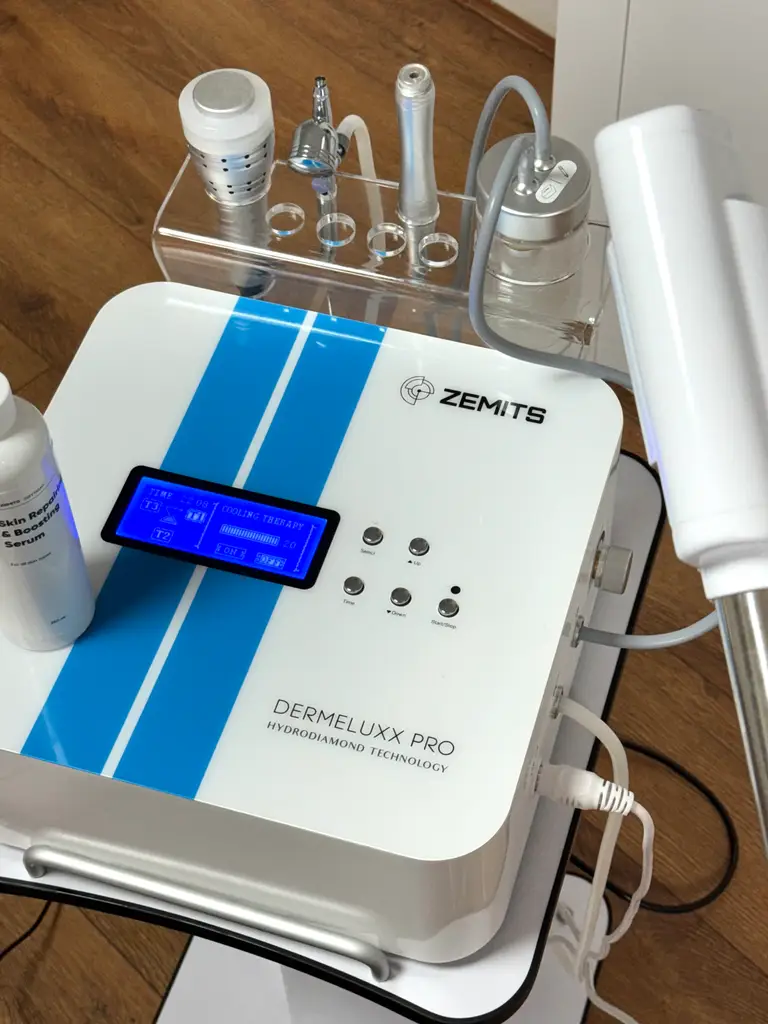
Your facial begins before you arrive at the clinic. The products you have used that week, recent sun exposure and any changes in your skin can all influence how it responds. Knowing how to prepare for a facial helps your practitioner assess your skin accurately and choose an approach that supports healthy, comfortable results.
Preparation does not need to be complicated. In fact, the best approach is usually to keep your routine calm, consistent and gentle. A personalised facial should meet your skin where it is, rather than push it when it is already feeling sensitive.
How to prepare for a facial in the week before
For most facials, including advanced treatments such as HydroDiamond facials, chemical peels, dermaplaning or microneedling, it is wise to avoid introducing new skincare products in the week beforehand. Even a product that seems mild can cause redness, dryness or breakouts when your skin is not used to it. If your skin reacts, it can be difficult to tell whether this is from the new product or an existing concern that needs attention.
Keep to a simple routine of gentle cleansing, moisturising and daily SPF. This gives your skin a stable baseline and makes it easier for your practitioner to see its true condition. If you already use active ingredients such as retinol, retinal, exfoliating acids or benzoyl peroxide, do not make assumptions about whether to continue or pause them. The right advice depends on the treatment planned, the strength and frequency of the product, and your skin’s sensitivity.
It is particularly helpful to mention any prescribed topical treatment during your consultation. Do not stop prescribed medication without speaking to the clinician who prescribed it. Your aesthetics practitioner can advise on whether a facial treatment is suitable now or whether it would be better to wait.
Avoid irritation, tanning and over-exfoliation
A facial is not the time to arrive with skin that has been scrubbed, tanned or irritated in the hope of making it look clearer. Avoid exfoliating scrubs, strong at-home peels and harsh cleansing devices for several days beforehand unless you have been given different, specific advice.
Try to avoid sunbeds and prolonged sun exposure too. Sun-stressed or sunburnt skin is more reactive, and certain advanced treatments should be postponed if there is active redness or a tan. Apply a broad-spectrum SPF every day, particularly if you are having a treatment that works on pigmentation, texture or signs of ageing.
If you are planning a holiday, outdoor event or beach day, mention this when arranging your treatment. Your practitioner can help you choose sensible timings, especially where treatment may involve a short recovery period or extra attention to sun protection afterwards.
Be honest about your skin and health history
The most useful thing you can bring to an appointment is clear information. Let your practitioner know about allergies, skin conditions, cold sores, recent illness, pregnancy or breastfeeding, and any medication or supplements you take. Also mention previous aesthetic treatments, including injectables, laser treatments, peels, microneedling and any reaction you have had in the past.
This is not about making your appointment more complicated. It is how a safe, tailored treatment plan is created. Some concerns may mean that a particular facial needs adapting, delaying or replacing with a gentler option. That is good professional care, not a setback.
If you have had a recent flare-up of eczema, dermatitis, acne or rosacea, take a few clear photographs as the condition changes. Skin can look very different on the day of your appointment, and these images can provide useful context. Similarly, if you are prone to cold sores, tell your practitioner before treatments around the mouth, particularly those that involve exfoliation or needling.
Tell us about recent hair removal and skin treatments
Avoid waxing, threading, depilatory creams or aggressive facial hair removal shortly before a facial. These can leave the skin more vulnerable to irritation. Shaving is often fine for many treatments, but timing and suitability can vary, especially before dermaplaning, chemical peels or laser-based procedures.
If you have recently had a facial treatment elsewhere, do not guess that enough time has passed. Bring the name of the treatment, when you had it and, if possible, what was used. Layering active treatments too closely together can compromise the skin barrier and may not deliver the result you want.
On the day of your facial
Come with clean skin where possible. Ideally, avoid heavy foundation, self-tan, false lashes and long-wear eye make-up. Your practitioner can cleanse your skin thoroughly, but arriving without layers of product allows more time to focus on the treatment itself and makes the skin assessment clearer.
There is no need to arrive completely bare-faced if that makes you uncomfortable. Simply let your practitioner know what you are wearing, particularly if it includes self-tan, active skincare or a medicated product. Comfort matters, and a welcoming appointment should never feel judgemental.
Wear something comfortable and avoid scheduling a rushed visit between intense exercise, a sauna session and an important occasion. Heat, sweat and friction can make already-sensitive skin feel more flushed. If you are coming straight from work, that is absolutely fine - just allow a few extra minutes so you can settle in and discuss any changes to your skin or goals.
It can also be useful to bring a note of your current skincare routine. A photograph of the products you use is often easier than trying to remember every name. This helps your practitioner identify possible causes of dryness, congestion or sensitivity, and gives them a better starting point for aftercare recommendations.
Plan around your social diary
Many facials leave the complexion looking fresh and hydrated, but no treatment can promise exactly how every individual skin type will respond. Depending on the facial, you may experience temporary redness, warmth, tightness, light flaking or sensitivity. More active treatments, such as chemical peels and microneedling, can require more considered downtime than a hydrating facial.
For this reason, avoid trying a new treatment for the first time immediately before a wedding, holiday, important presentation or professional photographs. Give yourself enough space to follow aftercare properly and let your skin settle. If you are preparing for a special event, a consultation well in advance allows time to build a gradual plan that suits your skin, budget and deadline.
Alcohol is also best avoided immediately before some treatments, as it may contribute to flushing or sensitivity. Stay well hydrated, eat normally and arrive feeling as rested as possible. These small details will not transform your skin overnight, but they can make the appointment more comfortable.
What not to do before an advanced facial
For a more active facial, it helps to think of your skin barrier as your priority. Avoid trying to “speed up” results with extra exfoliation, picking blemishes or using several powerful products at once. Picking can create inflammation and increase the chance of marks lasting longer, while overdoing actives may mean your treatment has to be altered or postponed.
You should also avoid booking an advanced facial if you have an open wound, active skin infection, significant sunburn or feel unwell. Contact the clinic beforehand rather than turning up unsure. A short conversation can establish whether it is safe to proceed or more sensible to rearrange.
At Rose Skin Aesthetics, treatment recommendations are based on your skin, concerns and comfort level, not a one-size-fits-all protocol. Sometimes the best result comes from choosing a gentler facial first, then progressing when the skin is ready.
Let the consultation guide the treatment
A good facial is not simply a set sequence of steps. It is an opportunity to understand what your skin needs now, whether that is hydration, gentle resurfacing, support for congestion, help with uneven tone or a longer-term plan for ageing concerns.
Ask questions about the expected sensation, aftercare, likely recovery and when you may see changes. Be clear about what you would like to improve, but remain open to professional guidance if your skin needs a different approach first. Healthy-looking skin is usually built through thoughtful consistency, not a single dramatic treatment.
Arrive with a calm routine, realistic expectations and an honest picture of your skin. From there, your facial can be tailored to support natural, gradual improvement - and leave you feeling more confident in your own skin.