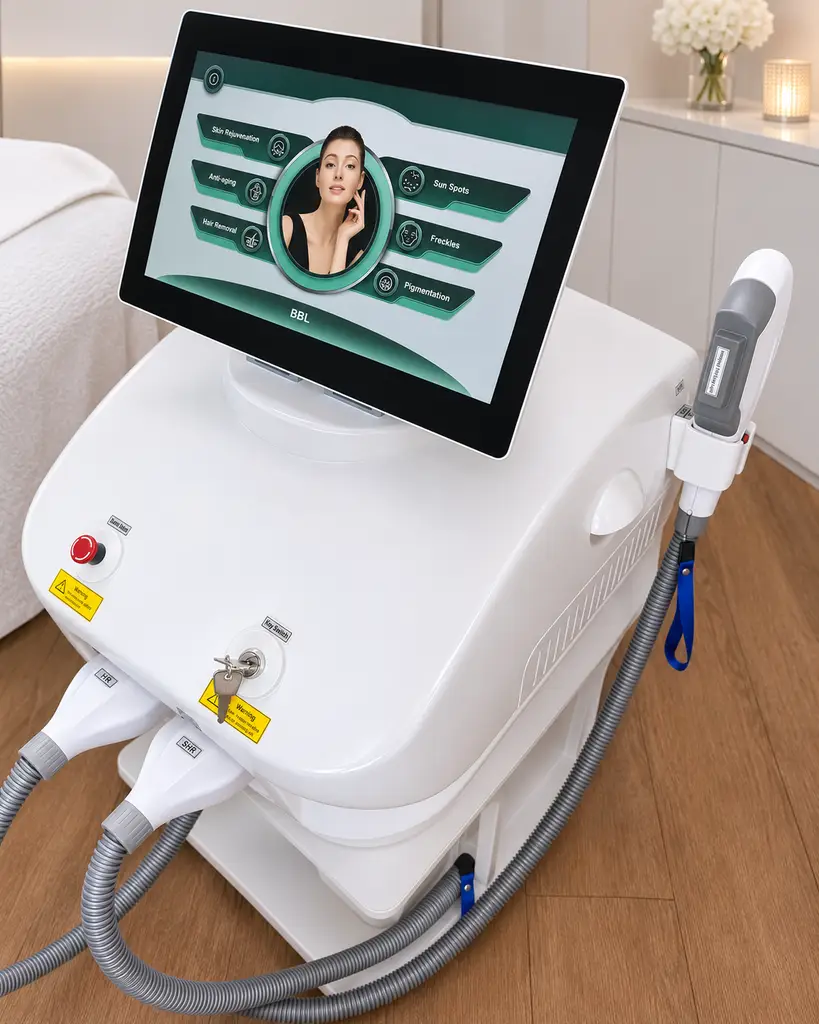
A last-minute holiday, an event, or simply wanting less time spent shaving can make laser hair removal feel like an easy decision. The best results, however, come from treating it as a planned course of care rather than a one-off appointment. Your skin tone, hair colour, treatment area, recent sun exposure and appointment timing all shape what is safe and effective.
For clients who prefer their self-care routine to feel organised, laser treatment can reduce the repeated cycle of shaving, waxing and dealing with ingrown hairs. It is not a promise of never seeing a hair again, but it can deliver long-term hair reduction when the treatment plan is matched carefully to you.
How laser hair removal works
Laser hair removal uses concentrated light energy to target pigment, known as melanin, in the hair. The hair absorbs that energy and transfers heat towards the follicle, disrupting its ability to produce new growth. The goal is to affect the follicle without harming the surrounding skin.
That process only works reliably when hair is in an active growth phase. Not every follicle is active at the same time, which is why one appointment is rarely enough. A course is usually spaced several weeks apart, allowing different groups of hairs to enter the right stage for treatment.
The ideal number of sessions varies. Facial areas may need a different schedule from the legs, underarms or bikini line, and hormonal changes can affect regrowth. Most people see a progressive reduction in density and thickness across a course, then choose occasional maintenance appointments if needed.
Laser versus IPL
Laser and IPL are often grouped together, but they are not identical. A laser uses a more focused wavelength of light, while intense pulsed light, or IPL, uses a broad spectrum. Both can be used for hair reduction, but suitability, settings and expected outcomes depend on the device and the individual.
A consultation should clarify which technology is being used and why it is appropriate for your skin and hair profile. Choosing based on a headline offer alone can lead to a treatment plan that is less tailored than it should be.
Who laser hair removal tends to suit
The contrast between skin and hair pigment has traditionally made darker, coarser hair easier to target. Modern laser systems can safely treat a broader range of skin tones than older technology, but this does not make every device suitable for every person. A practitioner should assess your skin tone, hair type and medical history before confirming treatment.
Very light blonde, grey, white and red hairs contain less of the pigment the laser needs to recognise. Results can therefore be limited in those areas. Fine facial hair can also respond differently from coarse underarm or bikini hair, so realistic expectations matter.
Your consultation is the point to discuss prescription medication, skin conditions, previous reactions, hormonal concerns and any recent procedures. Some medicines and active skincare ingredients can increase photosensitivity. Pregnancy, a fresh tan, active irritation or certain health conditions may mean postponing treatment is the sensible option.
What happens before your first appointment
A professional appointment should begin with more than selecting an area on a booking screen. You may be asked to complete a consultation and consent form, share relevant medical information and have a patch test. A patch test lets the practitioner assess how your skin responds before a full session.
Preparation usually includes avoiding tanning, sunbeds and fake tan before treatment. Tanned skin can make it harder to safely distinguish pigment in the hair from pigment in the skin. You may also be advised to pause waxing, threading and plucking for several weeks beforehand because the laser needs the hair root to be present.
Shaving is normally recommended shortly before your appointment, according to your practitioner’s guidance. It leaves the follicle in place while reducing hair above the skin’s surface, where it could otherwise absorb excess energy. Arrive with clean skin and without deodorant, body oils, make-up or fragranced products on the area unless you have been told otherwise.
What laser hair removal feels like
Comfort is personal. Many people describe the sensation as a quick elastic-band flick followed by warmth. Areas with denser hair or more sensitive skin, such as the upper lip, bikini line and ankles, may feel sharper than larger areas like the legs.
Modern systems often use cooling to make sessions more comfortable, and treatment times can be surprisingly efficient once the consultation stage is complete. A small area may take minutes, while a full-leg appointment will naturally require longer. It is reasonable to ask how long your chosen area takes so you can plan your day without rushing.
Immediately afterwards, the skin may look pink or feel warm. Mild redness and small bumps around treated follicles are common short-term responses. They should be monitored, particularly if they feel more intense than the reaction explained during your consultation.
Aftercare protects your results and your skin
The days after treatment are not the time to test a new exfoliant or book a sauna session. Keep the area cool, clean and comfortable, and follow the aftercare advice supplied by your practitioner. This may include avoiding hot baths, vigorous exercise, steam rooms, fragranced body products and active exfoliation for a short period.
Sun protection is especially relevant. Treated skin can be more sensitive to UV exposure, and sun exposure can increase the risk of unwanted pigment changes. Cover the area where practical and use suitable broad-spectrum SPF as advised, particularly on exposed areas such as the face, arms and legs.
Hairs do not always disappear immediately. They may appear to grow for one to three weeks after treatment as the treated hairs shed from the follicle. Resist the urge to pluck them. Shaving between sessions is typically fine if needed, but your practitioner will give area-specific guidance.
Contact your clinic promptly if you experience blistering, significant swelling, increasing pain or any reaction that feels outside the expected aftercare guidance. Good treatment care includes knowing when to ask for support.
Planning a laser hair removal course around real life
Consistency is one of the most practical parts of laser hair removal. If appointments are repeatedly delayed, the course may take longer because the hair-growth cycle is no longer being addressed at the intended intervals. Booking your next session before leaving can help, especially around busy periods, holidays and warmer months when sun exposure is more likely.
Think about the season as well as your diary. Some clients prefer to start in autumn or winter, when covering treated areas and avoiding strong sun is easier. Others begin at any time of year with careful sun protection and realistic scheduling. There is no universal perfect month, but there is value in choosing a period when you can attend regularly.
A connected client app can make the routine easier to manage. With Rose Skin Aesthetics, clients can keep appointments, consultation details, reminders, messages and loyalty activity in one place, rather than relying on separate notes, emails and booking systems. That continuity is useful when a treatment course spans several months.
Choosing a provider with confidence
Price matters, but it should not be the only question. Look for a provider who explains the technology, conducts an appropriate consultation, uses settings suited to your skin and hair, and gives clear aftercare. You should feel able to ask about practitioner training, patch testing, expected session numbers and the policies around rescheduling.
Be cautious of guaranteed claims. Bodies respond differently, and maintenance may be needed, particularly where hormones influence hair growth. A trustworthy provider will be clear about likely benefits and limitations rather than promising a completely hair-free outcome for everyone.
Laser hair removal works best when it fits into a wider, well-managed care routine: thoughtful consultation, steady scheduling, simple aftercare and honest communication about what your skin needs. Choose a time to start when you can give that routine the attention it deserves, then let each appointment build towards a result that feels practical for your everyday life.