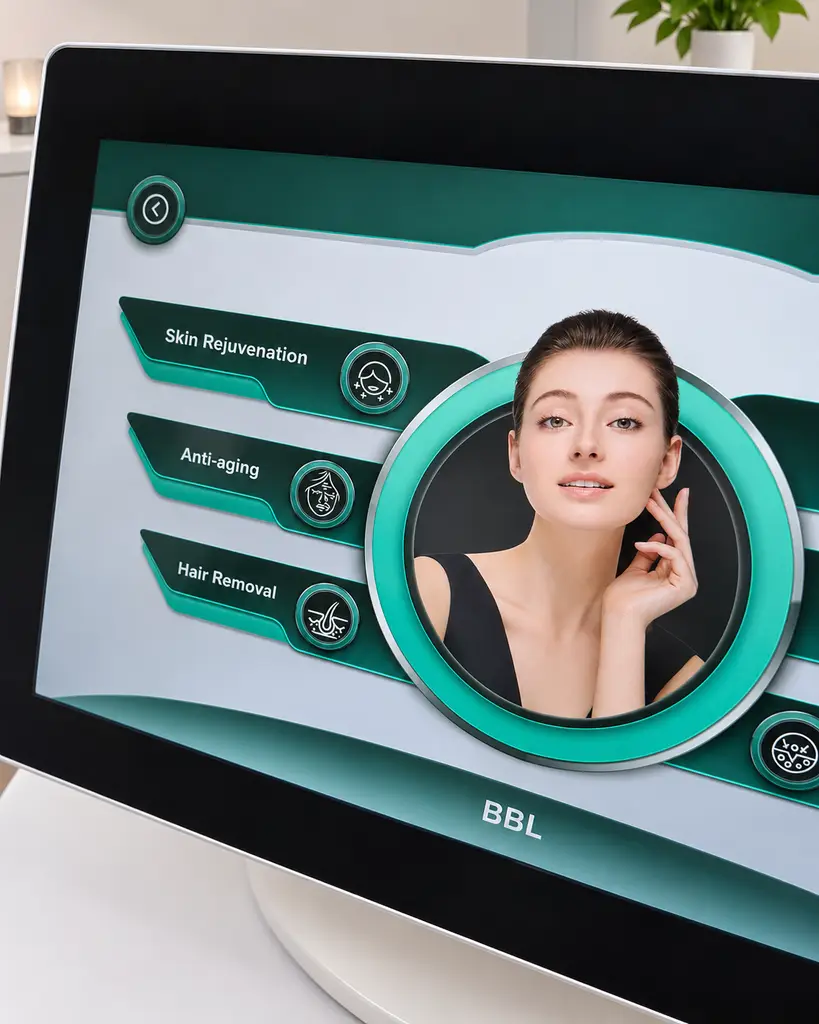
A laser appointment should never feel like a mystery purchase. Whether you are considering hair reduction, support for uneven tone or a treatment plan for visible texture, the right result starts before the first pulse. A clear consultation, suitable device and realistic schedule matter far more than a last-minute booking or a trend-led promise.
Professional laser care is not one treatment with one outcome. Different technologies, settings and treatment plans are used for different concerns, and your skin history shapes what is appropriate. The most convenient routine is one that brings your appointments, aftercare advice and skincare purchases into the same organised journey - so you can make decisions with your provider, not from guesswork.
What a laser treatment can do
In aesthetics, laser technology uses concentrated light energy to target a specific feature in the skin or hair. The wavelength and settings determine where that energy is absorbed. For hair reduction, the aim is pigment in the hair follicle. For some skin-focused treatments, the target may be pigment, visible blood vessels or water within the skin.
This is why one person’s ideal course will not automatically be yours. Hair colour, skin tone, hair density, treatment area, sensitivity, sun exposure and medical history can all influence the approach. A responsible practitioner will explain the expected benefit in plain language rather than presenting laser as a cure-all.
Laser hair reduction is often chosen for areas such as underarms, legs, bikini line, face or back. It can reduce the amount, thickness and speed of regrowth over a series of sessions. “Permanent hair removal” can create unrealistic expectations: many clients achieve long-term reduction, but maintenance appointments may still be useful, particularly where hormones influence hair growth.
Skin treatments can be considered for concerns such as the appearance of sun-related pigmentation, redness, acne scarring or uneven texture. These treatments vary significantly. Some are designed with little downtime, while others intentionally create a more intensive skin response and require a longer recovery period. Your practitioner should be specific about which concern is being treated, how many sessions may be needed and what improvement is realistic.
Laser versus IPL: why the distinction matters
Laser and IPL are often grouped together, but they are not the same. A laser emits a focused wavelength of light. IPL, or intense pulsed light, uses a broad spectrum of light filtered for a particular purpose. Both can have a place in professional aesthetics, but the best choice depends on the concern being treated and the device being used.
For hair reduction, both technologies may be offered in clinics, yet their suitability can differ according to hair and skin characteristics. Certain laser wavelengths may be better suited to particular skin tones, while very light, grey, white or red hair may respond less predictably because there is less pigment to target. This is a practical conversation to have at consultation, not a detail to skip when choosing a treatment.
The same principle applies to pigmentation and redness. What looks like one concern in a mirror may have several causes. Treating the wrong issue, or treating it at the wrong time, can lead to disappointment and may increase the risk of irritation or pigment changes.
Start with a proper consultation
A consultation is where treatment becomes personalised. It should cover your goals, previous treatments, current skincare, allergies, medications, skin conditions, history of cold sores where relevant, and any tendency towards scarring or pigmentation changes. Be open about tanning, sunbeds, pregnancy, recent procedures and products containing retinoids or exfoliating acids. These details help your practitioner decide whether to treat, adjust the plan or postpone safely.
Patch testing is another essential step for many laser services. A small area is treated before the main appointment so your skin’s response can be assessed. It may feel like an extra task when you are ready to get started, but it is part of a considered treatment pathway.
A useful consultation should also leave you with a practical plan. You should know the proposed treatment area, expected number of sessions, likely interval between appointments, preparation steps, possible side effects, downtime and total cost. Ask what results look like for someone with similar skin and hair characteristics, and ask what happens if your skin does not respond as expected.
How to prepare for laser appointments
Preparation varies by treatment, so your provider’s instructions always come first. For laser hair reduction, clients are commonly asked to shave the area shortly before the appointment while avoiding waxing, threading or plucking for a period beforehand. The follicle needs to be present for the laser to target it.
Avoid deliberate tanning and sun exposure before treatment. Tanned or recently sun-exposed skin can change how the light is absorbed and may make treatment unsuitable on that day. Fake tan should also be fully removed if your provider instructs this, as it can affect the assessment of your natural skin tone.
Keep your skin routine simple in the days before your appointment unless you have been told otherwise. Strong actives, fragranced products and exfoliation may leave skin more reactive. Arrive with clean skin and without deodorant, make-up, body oil or perfume on the treatment area where possible.
Your appointment journey is easier to manage when key details are kept in one place. Through the Rose Skin Aesthetics app, clients can review appointment information, complete consent forms, message the business with relevant questions and keep track of future sessions without relying on scattered notes or missed calls.
What to expect on the day
Your practitioner may review your consultation details and inspect the treatment area again before beginning. Protective eyewear is standard. Sensation varies by device and area, but many people describe quick warmth, a snapping feeling or brief prickling. Cooling technology, chilled air or gel may be used to improve comfort.
The treatment itself can be short for small areas and longer for larger ones. Speed should not replace care. Settings may be adjusted over the course of a treatment plan as your skin response, hair growth and tolerance become clearer.
Immediately afterwards, mild redness, warmth or swelling around hair follicles can be normal, especially with hair reduction. More intensive skin treatments may involve temporary redness, dryness, flaking or darkening of targeted pigment before it fades. Your practitioner should explain what is expected for your specific treatment and what would warrant a call.
Aftercare protects your progress
Aftercare is not an optional extra. Skin that has received laser energy needs a calmer routine while it settles. Use the products recommended by your practitioner, avoid heat-heavy activities such as saunas and very hot baths if advised, and do not pick, scrub or exfoliate treated skin while it is sensitive.
Daily broad-spectrum SPF is particularly important after skin-focused laser treatments and should be part of an ongoing skincare routine, not only a post-treatment step. Sun protection supports more even results and helps reduce the chance of unwanted pigment changes. If you are treating hair, resist the urge to pluck hairs as they shed. Shaving is generally the more suitable method between sessions when needed, subject to your provider’s guidance.
Contact your clinic promptly if you experience increasing pain, blistering, marked swelling or a reaction that feels different from the aftercare information you received. It is better to ask early than to try to manage an unexpected reaction alone.
Results are built through timing and consistency
Laser treatment plans work around biological cycles, not instant transformation. Hair grows in stages, and only hairs in a suitable growth phase are most effectively targeted during a session. That is why appointments are spaced apart and why completing the recommended course usually matters more than chasing a higher setting or booking sessions too close together.
For skin concerns, progress may be gradual as the skin renews. Some people see a visible change after one treatment, while others need several appointments and a supporting homecare routine. Lifestyle factors, hormones, sun exposure and the nature of the concern all affect the pace of results.
The best laser plan fits your life as well as your skin. Choose a provider who explains the process clearly, keeps your records organised and gives you a realistic route from consultation to maintenance. When every appointment and skincare decision is easier to manage, staying consistent becomes a form of self-care rather than another task to remember.