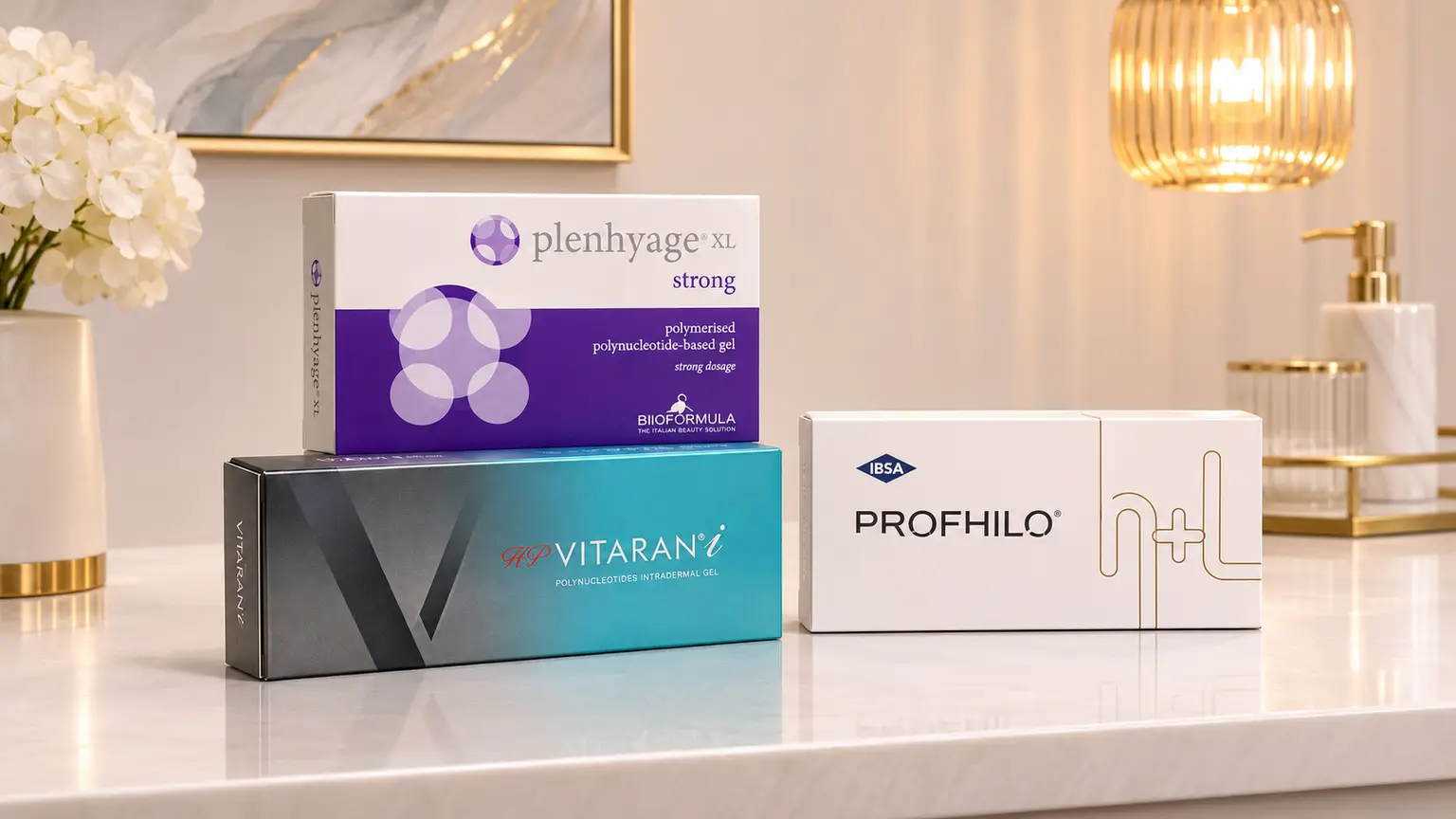
Your skin may be dehydrated, crepey or less luminous without necessarily needing added volume. That is where the choice between polynucleotides versus skin boosters can feel confusing. Both treatments are injectable options designed to improve skin quality rather than change your features, but they work in different ways and suit different concerns.
At Rose Skin Aesthetics, the focus is always on healthy, natural-looking skin and a plan that makes sense for you. The right treatment is not automatically the newest one or the most talked-about one. It is the one that reflects your skin’s condition, your goals, your lifestyle and your budget.
Polynucleotides versus skin boosters: the key difference
Put simply, skin boosters are primarily chosen to improve hydration, softness and glow. Polynucleotides are generally selected when the skin needs more support with repair, resilience and overall tissue quality.
Both can help the complexion look fresher and smoother over time. Neither is designed to create the structure or volume associated with dermal filler, and neither should leave you looking noticeably different. Think of them as treatments for the condition of the skin itself.
The distinction matters because dry skin and damaged or thinning skin can look similar at first glance. A careful consultation helps identify what is actually driving the concern.
What are skin boosters?
Injectable skin boosters are usually made with hyaluronic acid, a substance that naturally occurs in the body and attracts water. When placed in carefully selected areas of the skin, they are intended to improve hydration from within. This can make skin feel more supple and look smoother, bouncier and more radiant.
They are often a good option for skin that feels dull, dehydrated or rough, particularly on the face, neck, décolletage and hands. Fine lines caused by dehydration may appear softer as the skin becomes better hydrated, although deep lines and significant laxity need a more considered approach.
Some injectable hyaluronic acid treatments sit slightly differently within this category. Bio-remodelling treatments, for example, are often chosen to improve hydration and skin laxity through a specific placement technique rather than treating individual lines. Your practitioner can explain the differences between the products available and why one may be more appropriate than another.
Results are usually gradual. Many people notice an initial healthy glow, with improvements in hydration and texture developing over the following weeks. A course of treatment is commonly recommended, followed by maintenance based on how your skin responds and your longer-term goals.
What are polynucleotides?
Polynucleotides are purified DNA fragments used in regenerative skin treatments. They are designed to support the skin’s natural repair processes and improve the environment in which collagen and elastin are produced. Rather than simply drawing moisture into the skin, the aim is to encourage healthier, more resilient-looking tissue over time.
This makes polynucleotides particularly interesting for concerns linked to skin quality and fragility. They may be considered for fine, crepey skin, loss of elasticity, uneven texture, post-inflammatory marks, sun-damaged-looking skin and delicate areas such as around the eyes. They can also complement advanced microneedling when this is clinically appropriate.
Polynucleotide treatments do not give an instant filler-like effect. Their benefits tend to build gradually as the skin responds, so patience is part of the process. For clients who want a subtle improvement that still looks entirely like them, this slower change is often a positive.
Which treatment is better for your skin concern?
There is no universal winner in the comparison of polynucleotides versus skin boosters. The best choice depends on the reason your skin is looking or feeling different.
If your main concern is dehydration, a lack of glow or make-up sitting poorly on the skin, a skin booster may be the more direct option. It is especially useful when the skin is fundamentally healthy but needs a hydration boost.
If your concern is crepiness, compromised texture, thin-looking skin or a gradual decline in firmness, polynucleotides may be a better fit. They are often considered where the goal is to support the skin’s longer-term quality rather than focus mainly on moisture.
For some people, a combination approach may be appropriate. Skin may need hydration as well as support for texture and resilience. Treatments do not always need to happen at the same time, and spacing them carefully can make it easier to assess what is working for your skin.
Age alone does not decide suitability. Someone in their thirties with stressed, dehydrated skin may benefit from a skin booster, while someone of the same age with acne scarring or crepey under-eye skin may be better suited to polynucleotides. Equally, mature skin can benefit from either treatment depending on its hydration, elasticity and overall condition.
What happens during treatment and recovery?
Both treatments are usually delivered through a series of small injections. Some areas may also be treated using a cannula, depending on the product, treatment area and practitioner’s assessment. A topical numbing cream may be used where appropriate to improve comfort.
It is normal to have some temporary redness, swelling, tenderness or small raised bumps at injection points. Bruising is also possible, particularly in delicate areas or for those who bruise easily. The visible bumps from a skin booster commonly settle fairly quickly, but this varies between individuals and products.
Polynucleotide treatment can also cause short-term swelling or small marks, especially around the eye area. It is sensible to allow a little social downtime before an important event, rather than having a new injectable treatment immediately beforehand.
Your aftercare advice will be tailored to the treatment you receive. In general, you may be asked to avoid strenuous exercise, heat exposure, alcohol and applying make-up for a short period. Do not massage or press on treated areas unless you have been specifically advised to do so.
Safety and suitability come first
Injectable skin treatments should always begin with a proper consultation. Your practitioner needs to understand your medical history, current skincare, allergies, previous aesthetic treatments and any skin concerns such as active inflammation or infection.
Polynucleotides may not be suitable for everyone, including people with particular allergies or those who are pregnant or breastfeeding. The same principle applies to skin boosters: suitability must be assessed individually, and treatment may need to be postponed if your skin is irritated or unwell.
An honest consultation should also include a conversation about expectations. These treatments can improve hydration, texture and overall skin quality, but they cannot replace lost facial volume, remove deep folds or stop the ageing process. Good aesthetics is about choosing the right tool for the concern, not promising more than a treatment can realistically deliver.
How to make a confident choice
Start with the result you want to see. If you want skin that looks more hydrated and luminous, ask about a skin booster. If you are concerned by fragile texture, crepiness or the quality of the skin around the eyes, ask whether polynucleotides could be suitable.
It is also helpful to consider timing. Both options work best as part of a planned course, not as a last-minute fix before a wedding, holiday or major event. If you are preparing for an occasion, allow enough time for treatment, recovery and gradual improvement.
At Rose Skin Aesthetics in Hove, consultations are designed to make this decision feel clearer, not more complicated. Your skin can be assessed properly, your questions answered and your treatment plan shaped around realistic, natural-looking results.
The most rewarding changes are often the quiet ones: skin that feels more comfortable, looks better in natural light and helps you feel like yourself without needing to explain what you have had done.