


Skin can feel tight, look dull and show fine lines even when you are using a good moisturiser. This is often where people begin asking how skin boosters hydrate the skin differently from a facial product. The answer lies in where the hydration is delivered: while topical skincare works on the surface, injectable skin boosters are designed to support hydration within the skin itself.
For many people, the goal is not to look altered or overly filled. It is to regain the soft, fresh quality that skin can lose through age, sun exposure, stress, hormonal changes and everyday life. Skin boosters can be a thoughtful option for improving skin quality, but the right treatment, timing and expectations should always be discussed in a professional consultation.
How skin boosters hydrate beneath the surface
Most injectable skin boosters are made with hyaluronic acid, a substance naturally found in the body. Hyaluronic acid has a valuable role in skin because it binds water. When a carefully selected product is placed in the skin in small amounts, it can help create a more hydrated environment within the tissue.
This is different from simply adding volume. A skin booster is generally spread across an area using tiny injections, rather than being placed strategically to shape the lips, cheeks or jawline. The intention is to improve overall skin quality: a smoother appearance, more comfortable-feeling skin and a healthy-looking luminosity.
As the hyaluronic acid holds water, the skin may appear more supple and fine dehydration lines can look softer. This is why skin boosters are often considered for areas such as the cheeks, lower face, neck, décolletage and hands. They can be particularly appealing when skin looks crepey or tired but does not need contouring.
The visible change is usually subtle. Skin should still look like your skin, just better supported and more refreshed.
Hydration is not the same as moisturising
A moisturiser is still an essential part of a sensible skincare routine. It supports the outer protective barrier and can reduce water loss from the surface of the skin. However, even excellent skincare cannot be injected into the dermis, where many skin boosters are placed.
Think of the two approaches as complementary rather than competing. Daily skincare helps protect and maintain the skin at home, while a suitable injectable treatment may support deeper hydration and skin quality. Sun protection, a gentle cleanser and products appropriate for your skin type all continue to matter after treatment.
It is also worth separating dehydrated skin from dry skin. Dehydration refers to a lack of water and can affect oily, combination and dry skin types. Dry skin tends to produce less oil and may need richer barrier support. Some people experience both, which is why a personalised assessment is more useful than choosing a treatment based on one symptom alone.
What skin boosters can and cannot do
Skin boosters are best viewed as a skin-quality treatment. They may help the complexion look smoother, more radiant and better hydrated, and can soften the appearance of very fine lines linked to dehydration. Results develop gradually and vary between individuals according to skin condition, lifestyle, age, the product used and the treatment area.
They are not a replacement for dermal filler where structural volume has been lost, and they will not remove deep folds, significantly tighten loose skin or treat every cause of pigmentation. If concerns include acne scarring, uneven tone or more pronounced laxity, another approach - such as microneedling, laser skin rejuvenation or a combined treatment plan - may be more appropriate.
This honest distinction matters. Choosing the right treatment is more likely to produce a natural-looking result and avoid spending time and money on something that does not address your main concern.
Skin boosters and Profhilo are not identical
The phrase “skin booster” is often used broadly, but products can differ in their formulation and how they behave in the skin. Some are designed primarily to improve hydration and skin texture. Others, including Profhilo, are often selected for their bio-remodelling qualities as well as hydration support.
Profhilo contains a high concentration of hyaluronic acid and is placed at specific points to disperse through the tissue. It is not used to sculpt facial features like a traditional dermal filler. For the right person, it may support a firmer, more elastic and hydrated-looking complexion over time.
Neither option is automatically better. The most suitable choice depends on your skin, the area being treated, your previous treatment history and what you would genuinely like to improve.
What happens during and after treatment?
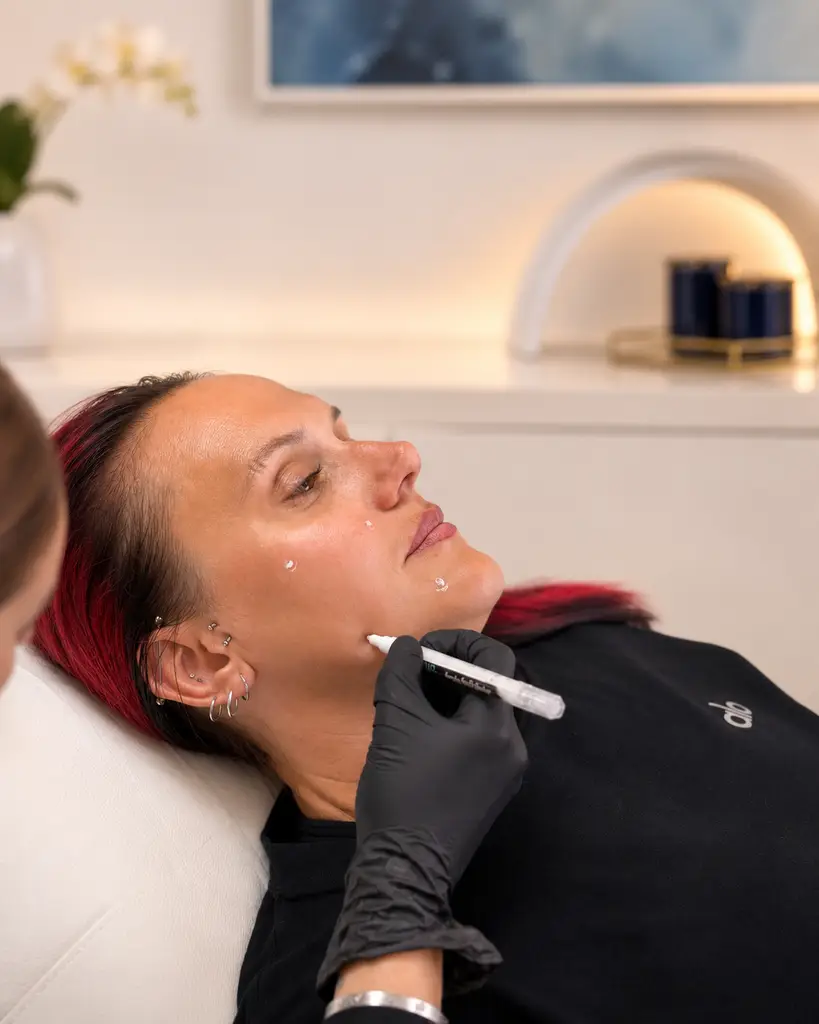
Following a consultation, the skin is cleansed and the practitioner uses a series of small injections to place the product in the planned area. Treatment is usually relatively quick, though the exact approach depends on the product and area. You may feel small pinches or brief stinging sensations.
It is normal to have temporary redness, tenderness, small raised bumps, swelling or occasional bruising afterwards. These effects usually settle, but recovery varies. Your practitioner will provide tailored aftercare, including advice on exercise, heat exposure, skincare and make-up where relevant.
Injectable treatments should always be performed by a trained, experienced professional who assesses suitability, discusses potential risks and uses appropriate products. Although complications are uncommon, they can occur. Promptly following aftercare and knowing how to contact your practitioner if you are concerned are important parts of safe treatment.
People who are pregnant or breastfeeding, have an active skin infection or are unwell may need to postpone treatment. Certain medical conditions, allergies and medicines may also affect suitability. This is why a proper consultation should never be treated as a formality.
When will you see a difference?
Some people notice that their skin looks fresher once early swelling has settled, but the more meaningful improvement is usually gradual. Hydration and skin-quality changes may become clearer over the following weeks as the product integrates and the skin responds.
Many skin booster protocols involve an initial course, followed by maintenance treatment at intervals recommended for you. A single session can be appropriate in some circumstances, while others benefit from a planned series. There is no one-size-fits-all timetable, and results cannot be guaranteed.
Your lifestyle also influences how long the skin continues to look its best. UV exposure, smoking, poor sleep, dehydration, illness and changes in hormones can all affect skin quality. Consistent SPF, a realistic home routine and regular review make more sense than relying on any one treatment alone.
Who may benefit from a hydration-focused treatment?
Skin boosters may suit adults who feel their skin has lost comfort, glow or bounce, particularly when fine lines are more noticeable under make-up. They are often chosen by people who want a discreet result before a wedding, holiday or milestone event, although it is wise to allow enough time before an important date in case of bruising or swelling.
They can be suitable for both men and women, and for a wide range of skin types. However, suitability is personal. Someone with active acne, rosacea that is flaring, significant volume loss or a compromised skin barrier may benefit from addressing another priority first.
At Rose Skin Aesthetics in Hove, treatment recommendations are based on a close look at your skin, your concerns and the level of change you are comfortable with. Sometimes a skin booster is the right next step. Sometimes simpler skincare changes or another treatment will be the more honest recommendation.
Healthy-looking skin rarely comes from chasing one dramatic change. It comes from choosing treatments that respect your skin, fit your goals and give it the support it needs over time.